Why Getting Ultrasound Screening Once a Year Could Be the Most Important Thing You Do for Your Health
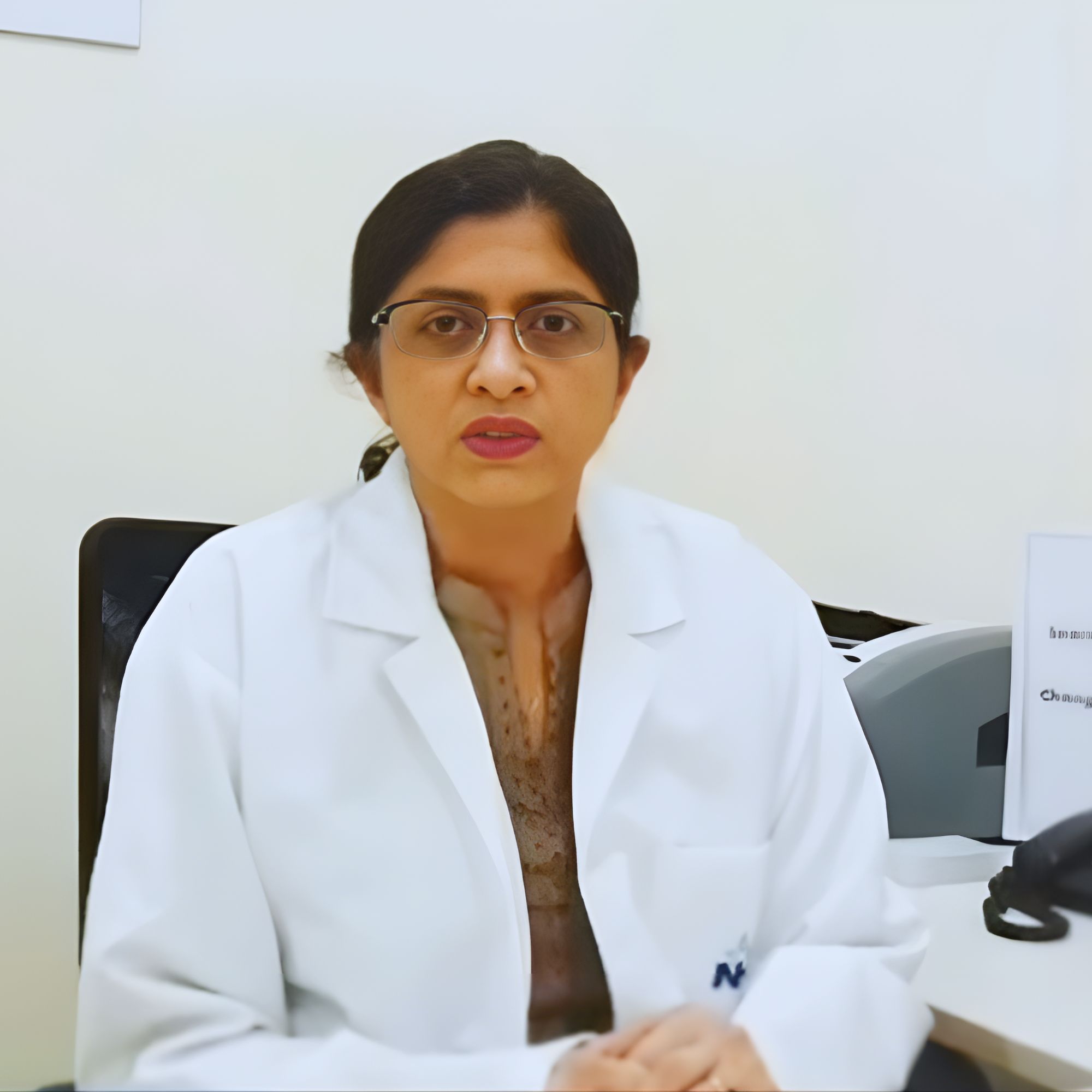

By Dr. Geetanjali Gupta | MBBS, DMRD, DNB (Radiodiagnosis), EDiR | New Vision Diagnostics, Jammu
Most people visit a doctor only when something hurts. That's understandable — we are busy, and if the body isn't sending alarm signals, it's easy to assume everything is fine.
But here's what two decades of diagnostic imaging have taught me: by the time something hurts, it has often been quietly developing for months — sometimes years. The conditions that cause the most serious long-term harm are frequently the ones with no early symptoms at all.
This is precisely why preventive screening matters. And for many of the most common and serious conditions — problems with the liver, kidneys, thyroid, blood vessels, or a developing pregnancy — ultrasound is one of the most effective screening tools available.
What Does 'Screening' Actually Mean?

Screening is not the same as treatment. It is a structured, periodic check to look for early signs of a problem before it becomes symptomatic. Think of it the way you might think of a routine car service — you don't wait for the engine to break down before you look under the bonnet.
In medicine, early detection has a direct and measurable impact on outcomes. A liver problem identified at the fatty liver stage is manageable with lifestyle changes. The same condition, left undetected for years, can progress to fibrosis or cirrhosis — far harder to reverse. The same principle applies to thyroid abnormalities, vascular disease, breast lumps, and many pregnancy-related complications.
Screening does not guarantee that nothing will go wrong. But it shifts the odds dramatically in your favour.
Why Ultrasound Is Particularly Well-Suited for Preventive Screening
Ultrasound imaging uses high-frequency sound waves to create real-time images of organs, tissues, blood vessels, and a developing foetus. It involves no radiation, is non-invasive, and is safe for all age groups — including during pregnancy.
At New Vision Diagnostics, we use the Samsung V8 ultrasound system, which provides high-resolution imaging that allows for precise visualisation of even subtle changes in organ structure and blood flow. The quality of the equipment matters: a higher resolution image gives the radiologist more information to work with, which directly affects the accuracy of the report.
Ultrasound screening is particularly valuable for:
Abdominal organs — liver, gallbladder, kidneys, pancreas, and spleen
Thyroid gland — detecting nodules, enlargement, or structural changes early
Breast tissue — identifying lumps or abnormalities not always felt on self-examination
Blood vessels — Doppler imaging to assess blood flow and detect blockages or clots
Pregnancy — monitoring foetal development, detecting anomalies at the earliest possible stage
Musculoskeletal issues — tendons, ligaments, and joints for patients with recurring pain
Three Ways Screening Protects Your Health
1. It Finds Things Before They Cause Symptoms
This is the single most important benefit of preventive imaging. Conditions like non-alcoholic fatty liver disease, early-stage kidney disease, thyroid nodules, and ovarian cysts are typically silent in their early stages. A routine ultrasound can identify these changes at a point when intervention is simple and effective.
A patient who comes in for a routine abdominal scan and is found to have early fatty infiltration of the liver leaves with a clear action plan. A patient who waits until they are jaundiced arrives with far fewer options.
2. It Establishes a Baseline for Your Health
When you get a scan done regularly, your reports over time tell a story. Changes are measurable. If a thyroid nodule was 6mm last year and is now 9mm, that's clinically significant information. Without the baseline, there is no way to know whether something is stable or progressing.
This is particularly relevant for patients with a family history of conditions like thyroid disease, kidney stones, liver disease, or vascular problems. You may not have the condition yet — but knowing your baseline means any early changes are caught immediately.
3. It Gives You and Your Doctor Better Information
Doctors make better decisions when they have better data. A referring physician who receives a detailed, high-quality ultrasound report from an experienced radiologist can fine-tune a treatment plan, avoid unnecessary medication, or identify the right specialist to involve — all more efficiently.
At New Vision Diagnostics, our reports are interpreted personally by Dr. Geetanjali Gupta, who brings over 20 years of specialised radiology experience and holds the European Diploma in Radiology (EDiR) — a qualification awarded by the European Society of Radiology that reflects internationally benchmarked expertise. Every report that leaves this clinic is read by an experienced clinician, not a technician.
Who Should Be Getting Regular Scans — and How Often?

There is no single answer for everyone. The right screening plan depends on your age, family history, existing conditions, and risk factors. That said, here are some general guidelines we recommend:
Adults over 35: Annual abdominal ultrasound to screen liver, kidneys, and gallbladder
Women of all ages: Annual breast ultrasound, especially if you have dense breast tissue or a family history of breast cancer
Pregnant women: Timely pregnancy scans at each recommended stage — early pregnancy, NT-NB between 11–14 weeks, Level 2 anomaly scan at 18–22 weeks, and growth scans in the third trimester
Patients with diabetes or hypertension: Annual renal Doppler and abdominal ultrasound to monitor for organ changes
Smokers and those with cardiovascular risk: Carotid and limb Doppler to assess vascular health
Anyone with thyroid symptoms or family history: Thyroid ultrasound every 1–2 years
If you are unsure what is right for you, a brief consultation with your doctor or with our team can help identify the most relevant scans for your specific situation.
What to Expect at New Vision Diagnostics
Our clinic is located in Trikuta Nagar, Jammu, and is designed to provide a calm, clean, and professional environment. Most scans take between 15 and 30 minutes. Reports are typically provided on the same day. There are no hidden charges, and our pricing is transparent — you can review our diagnostic packages on our Pricing page before you visit.
Every scan is performed under the direct supervision of Dr. Geetanjali Gupta, ensuring that both the imaging and the interpretation meet a consistent standard of quality.
The Bottom Line
Preventive screening is not about living in fear of illness. It is about having enough information to make good decisions about your health — before a small problem becomes a large one.
An ultrasound scan once a year is a low-cost, radiation-free, and genuinely useful step towards that. If it finds nothing, you leave with peace of mind. If it finds something early, you may have just avoided a much more serious medical situation down the line.
That is a worthwhile hour of your time.
New Vision Diagnostics, Trikuta Nagar, Jammu |
Led by Dr. Geetanjali Gupta — DNB, EDiR | 20+ Years Experience |
Call: +91 9149837277 | Visit: newvisiondiagnostics.in/contact |
Same-day reports available. Transparent pricing. No hidden charges. |
Medical Disclaimer
The information in this article is for general awareness only and should not be taken as personalised medical advice. If you have specific health concerns or are unsure which scans are right for you, we recommend speaking with your doctor or contacting our team directly.
Comments